
Eastern wisdom, worn
Not superstition. Philosophy. Not efficacy. Companionship.
Why the lotus
Why the Lotus?
为什么是莲花?
Because in Eastern wisdom, the lotus is the ultimate symbol of manifestation. It takes the deepest mud and turns it into blooming nourishment. Nothing in it is wasted.
We do not sell bracelets. We hand you a catalyst: the grounding of sandalwood, the amplification of the stones, the boundary of the cord, the awakening of the white lotus, made into something you can touch.
You were always the source. This is only the reminder.
因为在东方古学里,莲花是「显化」最极致的象征。它把最深的淤泥,变成盛开的养分。它身上没有一寸是白费的。
我们不卖手串,我们递给你一个催化剂:檀木的扎根、矿石的放大、绳结的结界、白莲的唤醒,做成一件你摸得到的东西。
你一直都是源头,这只是那份提醒。
Grounding
The mud is the material
淤泥本身就是原料
The lotus does not escape the mud. It converts it. That is the whole mechanism: nothing is wasted, everything is fuel.
What this is about
Four words we return to
我们反复回到的四个词
You were never lacking. You were simply not yet awakened.
You have never lacked power or wisdom. What you’ve been missing is a catalyst.

We are not selling miracles. We are handing you a catalyst you can touch.
You hold the power. This lotus ignites it.
What shadow work actually means
扎根到底是什么
The term shadow work is used loosely now, and often badly. Stripped of the noise, it points to something old and simple: the practice of turning toward the parts of yourself you usually keep out of view. This is a short reading of what it means, where it comes from, and how grounding and intention setting sit beside it.
如今「扎根」这个词被用得很随意,也常常被用错。剥掉那些热闹的包装,它指向的其实是一件古老而简单的事:练习转向那些你平时不愿看见的自己。这是一份简短的解读,谈它的含义、它的来处,以及扎根与意图设定如何与它并存。
What the shadow is
什么是阴影
The word shadow comes from Carl Jung. He used it to describe the parts of ourselves we do not want to see: the anger, the envy, the fear, the small selfish wants. These parts do not disappear when we ignore them. They wait. They shape our choices from below, the way a root shapes a tree. In Jung's writing the shadow is not evil. It is simply unlit. What we refuse to look at, he suggested, keeps its power over us. What we can look at, we can begin to hold.
阴影这个词来自荣格。他用它来描述我们不愿看见的那部分自己:愤怒、嫉妒、恐惧,还有那些细小自私的念头。这些部分不会因为我们视而不见就消失。它们只是等在那里,从下方塑造我们的选择,像树根塑造一棵树。在荣格笔下,阴影并不邪恶,它只是没有被照亮。他提出,我们拒绝看的东西,会一直保有对我们的支配力;而我们能够直视的东西,才可能被我们握住。
This is the shadow work meaning most teachers point to. It is not a method for fixing yourself. It is a habit of turning toward what is uncomfortable, slowly, and without drama. You notice a reaction. You ask where it came from. You stop arguing with it. That is all. Over time the shadow becomes less of a stranger. The work is quiet, and it is done alone, usually in ordinary moments rather than on retreats.
这就是多数老师所说的扎根的含义。它不是一套修正自己的方法,而是一种慢慢转向不适之处的习惯,不带戏剧性。你察觉到一个反应,追问它从哪里来,不再和它争辩。仅此而已。时间久了,阴影就不再是一个陌生人。这项工作很安静,通常独自完成,发生在寻常的时刻里,而不是在退修营中。
Grounding as a practice of attention
扎根是一种注意力的练习
Grounding is often called a journey, but the word is heavy. In practice it looks like attention. You sit with a feeling before you name it. You let a memory finish instead of pushing it away. You notice the tone you use with people who cannot answer back. None of this needs a special room. It needs honesty, and a willingness to be wrong about yourself. The Manifestation here is plain: what you resist, you strengthen. What you meet, you can release.
扎根常被称作一场旅程,但这个词太重了。落到实处,它看起来更像是注意力。你先和一个感受坐在一起,再决定要不要为它命名;你让一段记忆说完,而不是把它推到一边;你留意自己对那些无法回应你的人用了什么语气。这一切都不需要一间特别的房间。它需要诚实,需要你愿意承认自己可能看错了自己。这里的显化很朴素:你所抗拒的,会被你养大;你所面对过的,才可能被放下。
Many people keep a small object nearby for this kind of looking. A mindfulness tool does not do the work. It marks the time you set aside for it. A bead held between the fingers gives the hands something small to do while the mind settles. The body relaxes first, and the mind follows. That is the whole of it. No promise, no cure, just a quiet place to stand while you look.
很多人会在手边留一件小物,用来做这种注视。正念的器物不会代替你完成这件事,它只是标记出你为自己留出的那段时间。指间的一颗珠子,让手有一点小事可做,心便慢慢沉静下来。身体先松,心才跟着松。全部的道理就是这样。没有承诺,也没有疗效,只是一个安静的立足之处,让你站在那里看。
Grounding, or coming back to the body
扎根,回到身体
Grounding practices bring you back to the body and to the room. When the mind runs ahead into worry, grounding is the act of returning. Feel the weight of your feet. Name five things you can see. Breathe lower, into the belly. These exercises are simple and old. They work because they interrupt the loop and give attention something solid to rest on. In the older language of practice, this is spiritual grounding: the sense that a person cannot rise while standing on nothing.
扎根练习把你带回身体,带回此时此地的房间。当思绪跑到前面的担忧里,扎根就是往回走的那个动作。感受双脚的重量,说出你能看见的五样东西,把呼吸放低,放到腹部。这些做法简单而古老。它们之所以有效,是因为它们打断了循环,让注意力有一样坚实的东西可以停靠。在用功的传统语汇里,这叫灵性扎根:一个人不可能站在虚空之上向上生长。
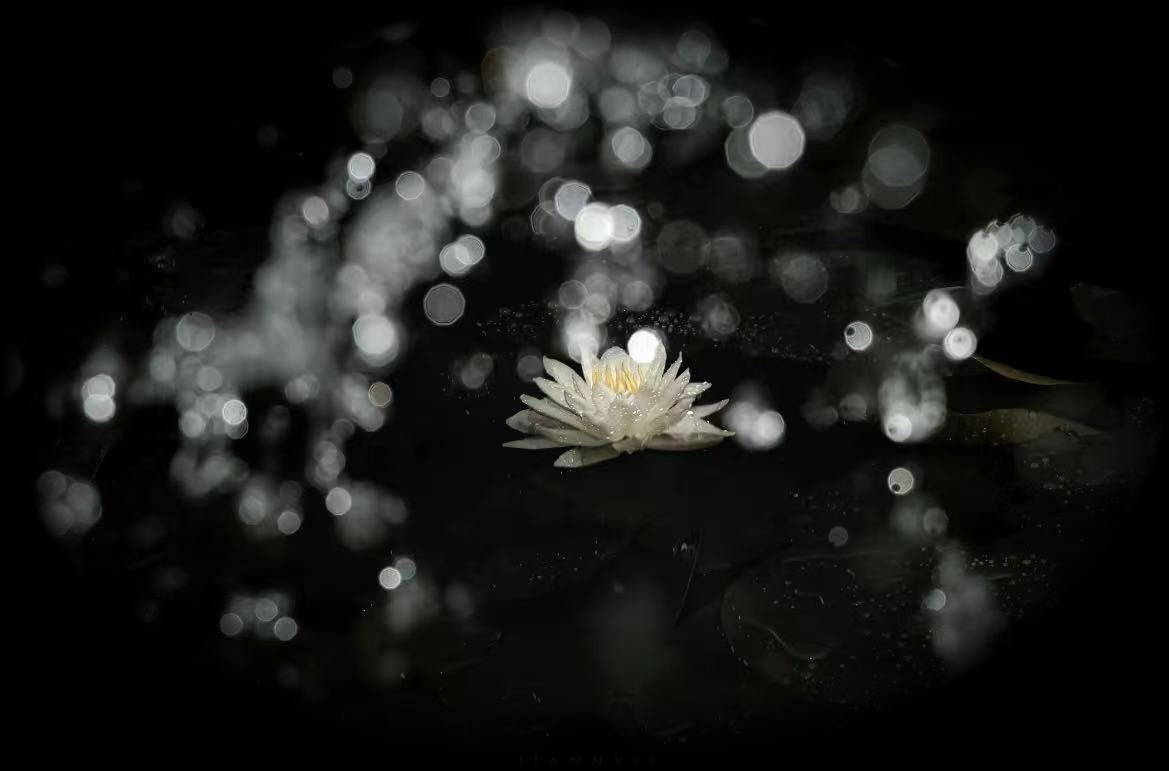
The lotus is the image for this. It grows in still, dark water and opens above the surface. No one cleans the water first. The flower uses it. For many people this is the most useful picture of healing: not the removal of the dark, but the slow rise out of it. A talisman can hold that picture where the eye can find it, on the wrist, in the middle of an ordinary afternoon.
莲花就是这幅图景。它生在静止的暗水里,在水面之上打开。没有人先把水清干净,是花用了这片水。对很多人来说,这是关于疗愈最有用的一幅画:不是把暗处移除,而是慢慢从暗处升起。一件信物可以把这幅画放在眼睛能找到的地方,放在手腕上,放在一个寻常下午的正中间。
How a talisman holds intention
信物如何安放意图
Intention setting is the practice of deciding, in advance, how you want to move through something. Before a hard conversation, you decide to listen. Before a season of change, you decide to be patient. Spoken aloud or written down, an intention is a small promise you make to yourself. It works because it moves a wish into a decision, and a decision into a direction.
意图设定,是提前决定你要以什么方式走过一件事。在一次艰难的对话之前,你决定去听;在一段变化来临之前,你决定保持耐心。无论出声说出还是写下来,意图都是你对自己许下的一个小小承诺。它之所以成立,是因为它把一个愿望变成了一项决定,又把一项决定变成了一个方向。
An object can carry that decision. Across many cultures people tie a knot, wear a stone, or hold a wooden bead when they want a private reminder. The object is not magic. It is a witness, and a cue. Each time your hand finds it, the intention comes back with it. This is why we keep the design plain. A wrist is a busy place. What lives there must earn its room slowly, through repetition, until the reminder and the wrist remember each other.
一件物品可以承载这项决定。在许多文化里,人们会打一个结、戴一块石头、握一颗木珠,用来做私人的提醒。物品本身不神奇,它是一个见证者,也是一个暗号。每当手触到它,意图就跟着回来。这也是我们把设计做得朴素的原因。手腕是个忙碌的地方,留在那里的东西必须靠重复慢慢赢得位置,直到提醒与手腕彼此记住对方。